Fixing Invisible Barriers to Education and Readiness (FIBER)
FIBER (Fixing Invisible Barriers to Education & Readiness) is a 14-month, school-integrated learning readiness program developed by Social Lab Nepal that focuses on addressing the non-academic barriers preventing children in remote public schools from effectively learning. These barriers include poor nutrition, irregular attendance, emotional insecurity, and weak daily routines—factors often overlooked by traditional education systems.
The program uses a structured Diagnose–Act–Track (DAT) approach, where teachers identify students’ well-being challenges through a Child Well-being Diagnostics Tool (CWD), implement simple daily classroom systems to improve readiness, and continuously track progress.
By embedding low-cost, teacher-led interventions into everyday school routines, FIBER aims to improve students’ physical energy, emotional safety, participation, and overall cognitive readiness—ultimately enabling better learning outcomes and building a scalable, sustainable model for public schools in Nepal.
🚨 Problem
Children in remote public schools face hidden barriers — poor nutrition, irregular attendance, and emotional insecurity — that prevent them from being ready to learn
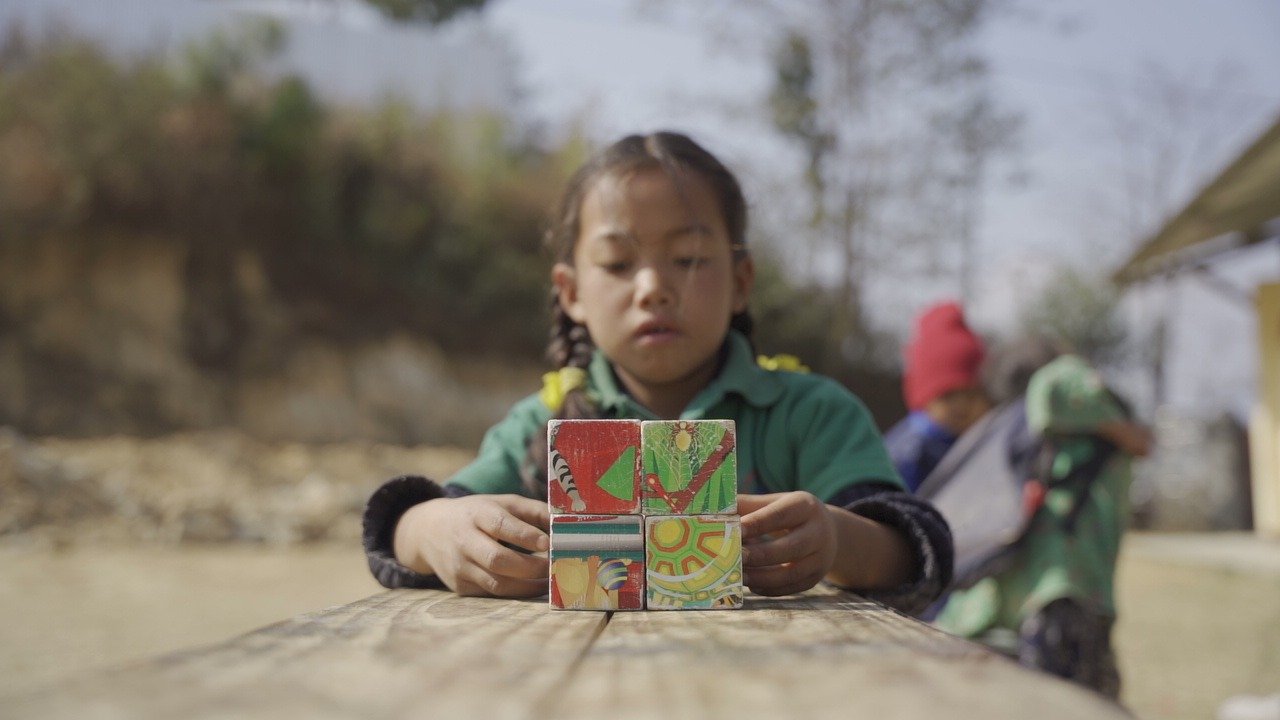
Four key dimensions of the FIBER Project
Physical Readiness & Energy:
Focuses on students’ nutrition, attendance, and alertness to ensure they are physically able to engage in learning.
Daily Routine & Hygiene Habits:
Builds consistent habits like punctuality, preparedness, and personal hygiene to support stable learning behavior.
Emotional & Social Readiness:
Strengthens confidence, emotional safety, and peer interaction so students feel secure to participate.
Learning Engagement:
Enhances attention, participation, and curiosity, reflecting a student’s overall readiness to actively learn.